
 Canada
 USA
USA Japan
Japan


Lithium-Ion Batteries and Their Composition
To understand this, it’s important to look at the core components of a lithium-ion battery.
Every Li-ion battery, regardless of size or capacity, is made up of four essential parts: the Anode, Cathode, Separator, and Electrolyte. Whether it powers a small gadget or an electric car, the performance of every battery relies on these components. Among them, the cathode material is especially important, as it determines the battery’s voltage and energy capacity by releasing lithium ions. Simply put, a battery with more lithium ions offers higher capacity than one with fewer ions.
The best way to understand the composition is to start with lithium itself. The metal form of lithium is used as the cathode material, interacting with the electrolyte to define the battery’s characteristics. However, pure lithium is highly reactive with oxygen, so the cathode is typically made from lithium oxide compounds, which are much more stable. This is why Li-ion battery chemistry is often represented using lithium oxide formulas.
For the anode, a separator is placed between it and the cathode to prevent direct contact. This separation maintains the necessary potential difference between the two terminals—the voltage difference that generates current. The higher the voltage difference, the greater the current flow. The separator also ensures safety by preventing internal short circuits and maintaining stable battery operation.
Lithium-Ion Batteries for Consumer Electronics – Compact, Efficient & Reliable
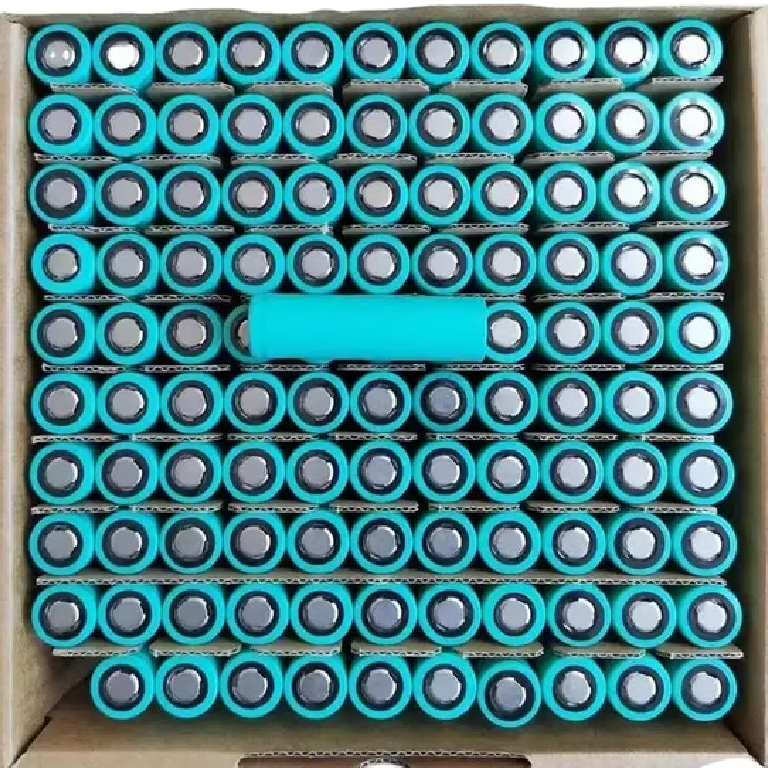
Benefits of Lithium-Ion Batteries for Consumer Electronics
Applications of Lithium-Ion Batteries in Consumer Electronics
Lithium-ion batteries are widely used in consumer electronics due to their compact size, high energy density, and reliability. They provide portable and consistent power, making them essential for modern gadgets. From smartphones to wearable devices, these batteries power the technology we use every day. Here are some common applications:
Lithium-ion batteries are the preferred choice for portable electronics. They provide a lightweight, long-lasting power source for devices like smartphones, tablets, cameras, laptops, and handheld gaming consoles. Their efficiency allows devices to operate longer without frequent charging, enhancing user convenience.
Many consumer electronics rely on UPS systems equipped with lithium-ion batteries. These batteries ensure that critical devices remain operational during power outages, preventing data loss or damage. They are especially useful in home offices and professional setups, where maintaining continuous power is essential.
Smaller electric mobility devices, such as e-bikes, scooters, and personal transporters, also use lithium-ion batteries. These batteries provide high energy output in a compact form, supporting longer travel distances and faster charging times.
From smartwatches and fitness trackers to wireless headphones and portable speakers, lithium-ion batteries make modern electronics more convenient and reliable. Their durability and efficiency have made them the backbone of portable technology.
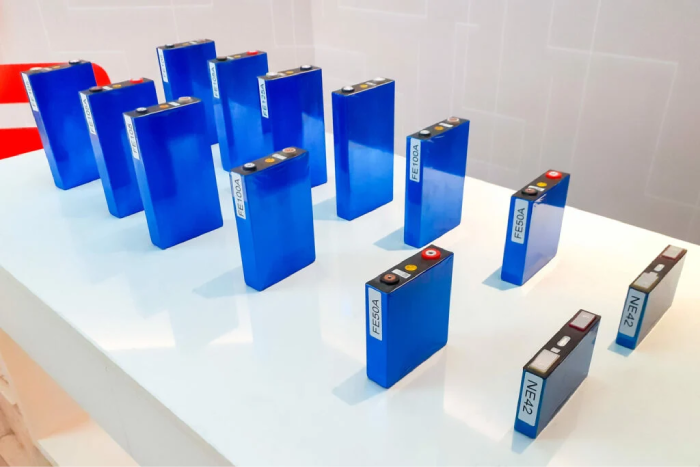
How Lithium-Ion Batteries Power Consumer Electronics
Lithium-ion batteries get their power from lithium, which forms the cathode. The cathode reacts with the electrolyte to give the battery its characteristics. Because pure lithium is highly reactive, lithium oxide is usually used for stability.
The anode is separated from the cathode by a separator,
which prevents short circuits while maintaining the potential difference that drives current.
All lithium-ion batteries—whether in smartphones, laptops, or gaming consoles—have four key components: Anode, Cathode, Separator, and Electrolyte. The cathode material determines the battery’s voltage and capacity, so more lithium ions mean higher energy storage, making these batteries perfect for powering consumer electronics efficiently.